What is Chi?
Understanding Chi Energy
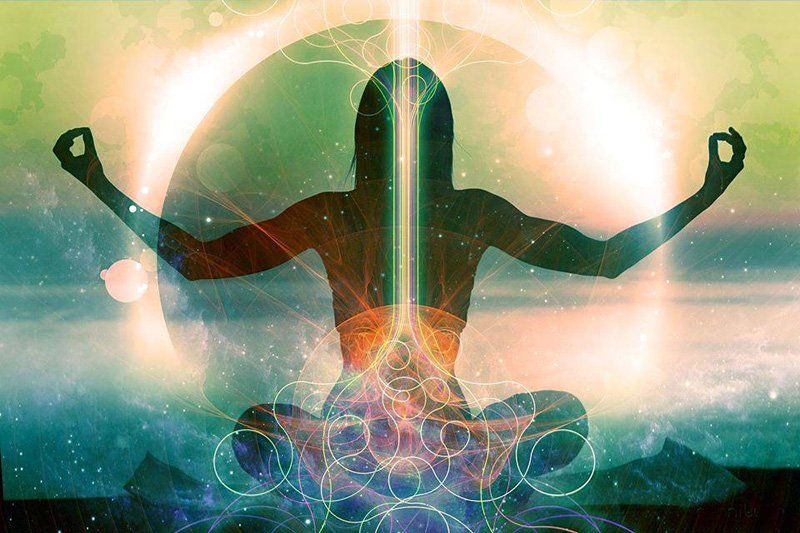
Chi (or qi) is synonymous with breath in the Chinese Language. In combination with other words, however, chi denotes slightly different concepts. Qi gong, for instance, literally translates to, ‘breath-work’, but the scope of qigong goes much deeper into developing the energy that animates the body.
The concept of a life force is found in many ancient cultures. In India, it is called prana; in Japan, ki; for Hawaiians, mana. The idea of a life force is central to their forms of medicine and healing.
In terms of the body, chi is that which differentiates a corpse from a live human being. A strong life force makes a human being totally alive, alert and present. Conversely, a weak force results in sluggishness, fatigue, and can even lead to illness.
This means that chi can be developed in order to overcome illness, become more vibrant, or enhance mental and athletic capacities. Traditional Chinese Medicine is based on balancing and enhancing chi to bring the body into a state of health and vitality.
Practical Chi Development
Qigong, tai chi, and other forms of Taoist martial and healing arts help to develop subtle chi-energy, not as an idea, but rather leading to directly feeling and experiencing chi in the body.
There are many ways to develop chi. In terms of the physical body, chi development can make an ill or weak person more hearty and alive. The concept of chi, however, also extends beyond the physical body, to the subtle energies that activate all human functions, including emotions and thought.
In Taoism, the way chi extends outside of the physical body is understood as the Eight Energy Body Theory.
Unbalanced chi can cause emotions to become agitated, distressed or erratic. Whereas, balanced chi can cause emotions to become more smooth, balanced, and stable.
When developing mental chi, one can enhance clarity of thought. Whether working for long periods of time, or in distracting environments, focus can be maintained on the task at hand.
Spiritual chi makes it more possible for humans to enter higher states of consciousness, which lie at the heart of religious experience.
Learn more about the Taoist Eight Energy Body theory
Traditional Chinese Medical Theory and Chi
In the Chinese medical phrase of, ‘teng jr bu tong’, if the circulation of chi is blocked (bu tong), pain and disease occurs (teng). Conversely, if the chi in the acupuncture meridian lines are fully connected and circulating without blockages (tong), one will have neither pain nor disease (bu tong) – tong jr bu teng.
Making chi tong is the most basic goal of Chinese medicine. To maintain pain-free, optimal health, chi should circulate throughout the entire body, without disruption, in a smooth, powerful fashion. Balancing and connecting the chi of the body and removing blockages can both diminish the pain of disease and increase health and vitality.
Balance can be regained and maintained using either one or a combination of acupuncture, herbs, Taoist breathing, and movement practices like tai chi or qigong.
Source: Energy Arts